
How to Use a Smith Machine Safely: Exercises, Benefits & Common Mistakes
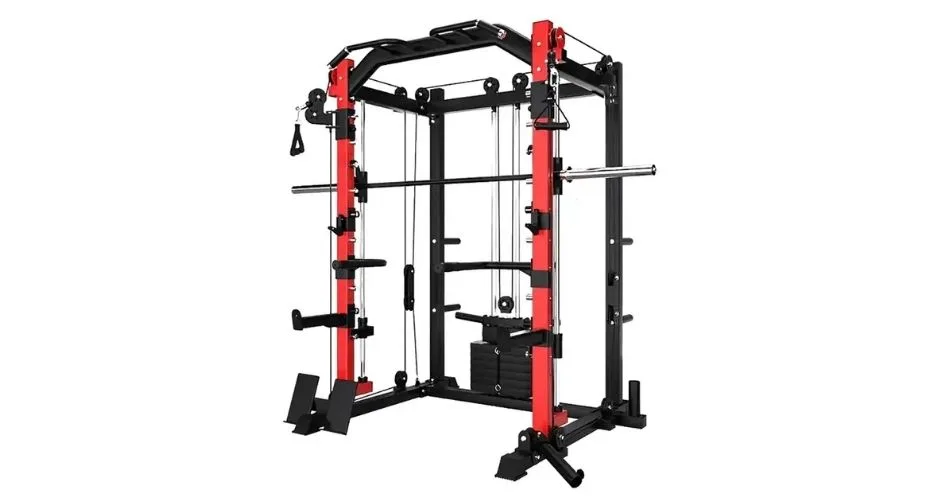
The Smith machine is a popular piece of gym equipment that can help both beginners and experienced weightlifters train safely. It allows you to lift weights in a guided motion, which reduces the risk of injury and helps you focus on form. Many gyms have a Smith machine next to a weight bench, free weights, or a power rack for more advanced exercises.
Using the Smith machine correctly can improve strength, build muscle, and support your overall fitness goals. But like any gym machine, it comes with risks if misused.
In this guide, we will explain what a Smith machine is, its benefits, the best exercises to do, and common mistakes to avoid.
What Is A Smith Machine?
A Smith machine is a weightlifting device with a barbell fixed within steel rails. The bar moves vertically, providing stability during exercises. Unlike free weights, the guided path helps prevent the bar from tipping or falling. This makes it useful for beginners or anyone lifting heavier weights alone.
The Smith machine is versatile. You can perform exercises for your legs, chest, back, and arms, often using them alongside a weight bench or other equipment. Many gyms combine Smith machines with medicine balls, mats, and free weights to create a complete workout area.
Key features of a Smith machine:
- Guided Barbell: Moves along fixed vertical rails for controlled motion.
- Safety Hooks: Allow you to lock the bar at different heights in an emergency.
- Adjustable Stops: Prevent the bar from moving too low or too high.
- Compatibility With Benches: You can use a flat, incline, or decline weight bench.
- Versatility: Can be used for squats, presses, lunges, and other exercises.
Benefits Of Using A Smith Machine
Using a Smith machine can improve your training in several ways.
- Increased Safety: The guided bar reduces the chance of dropping the weight and helps beginners lift confidently.
- Better Form: The fixed path encourages proper lifting technique, which is useful for exercises like squats or presses.
- Isolation of Muscles: You can target specific muscle groups without worrying about balancing the bar.
- Progressive Overload: Safely increase weight as you get stronger without a spotter.
- Versatility In Exercises: Use it for upper and lower body workouts, either standing, seated, or on a bench.
Exercises To Do In The Smith Machine
The Smith machine is a versatile piece of gym equipment that allows you to target multiple muscle groups safely.
Here are some of the most effective exercises you can do, with detailed instructions on how to use the Smith machine and tips to get the best results.
1. Squats
Squats are one of the best exercises for your legs and glutes. Position the bar across your shoulders, feet shoulder-width apart, and lower your hips slowly until your thighs are parallel to the floor. Push back up using your heels, keeping your core tight. The guided bar of the Smith machine helps maintain balance and reduces the risk of tipping forward.
You can adjust your foot placement to target different muscles. Bringing your feet slightly forward emphasises the quads, while a slightly wider stance works the glutes and inner thighs more. Squats on a Smith machine are ideal for beginners who want to learn proper form before attempting free-weight squats.
Benefit:
- Builds Leg Strength: Squats develop quads, hamstrings, and glutes, helping improve overall lower-body power.
2. Bench Press
The bench press works your chest, shoulders, and triceps. Lie on a weight bench under the bar, grip slightly wider than shoulder-width, and press the bar up until your arms are straight. Lower slowly back to the starting position, controlling the bar throughout the movement.
Using the Smith machine ensures the bar moves in a straight path, making it safer for beginners and solo lifters. Adjusting the bench to flat, incline, or decline positions allows you to target different parts of your chest effectively.
Benefit:
- Strengthens Upper Body: Bench presses improve chest and arm muscles, supporting other lifts and daily movements.
3. Shoulder Press
Shoulder presses target the deltoids, traps, and triceps. Sit on a bench or stand with the bar at shoulder height. Press the bar upward until your arms are fully extended, then lower it slowly back to the starting point. Keep your core engaged to avoid leaning back excessively.
The Smith machine guides the bar, reducing the risk of injury and helping maintain good form. Beginners often struggle with balance during free weight presses, but the guided bar provides stability while still engaging shoulder muscles effectively.
Benefit:
- Improves Shoulder Strength: Shoulder presses build deltoid muscles and upper body endurance, enhancing functional movement.
4. Lunges
Lunges develop lower-body strength and stability. Place the bar on your shoulders, step forward into a lunge, and lower until both knees are at roughly 90-degree angles. Push back to the starting position and repeat on the other leg.
The Smith machine helps beginners maintain balance and focus on proper form. Lunges can be performed forward, backwards, or split-stance to target different parts of the legs and glutes.
Benefit:
- Enhances Balance And Stability: Lunges improve coordination and strengthen stabilising muscles in the legs and hips.
5. Calf Raises
Calf raises isolate the calf muscles and improve ankle stability. Stand on a platform with the bar across your shoulders and raise your heels as high as possible. Pause briefly at the top, then lower slowly.
This exercise benefits from the Smith machine’s guided bar because it keeps your balance in check while performing controlled repetitions. Adding a small platform increases the range of motion and muscle engagement.
Benefit:
- Strengthens Calves: Calf raises build lower leg muscles and support better running and jumping performance.
6. Upright Rows
Upright rows target the shoulders, traps, and upper back. Grip the bar in front of your thighs and lift it toward your chin, keeping elbows out. Lower slowly to the starting position.
Using the Smith machine guides your path and reduces the chance of swinging the bar improperly, which can strain the shoulders. Controlled movement ensures the target muscles are fully engaged without injury risk.
Benefit:
- Builds Upper Back And Traps: Upright rows strengthen the shoulders and traps, improving posture and upper body stability.
7. Deadlifts
Deadlifts strengthen your back, glutes, and hamstrings. Stand with feet hip-width apart, grip the bar in front of you, and bend at the hips to lower the bar down the legs. Lift by extending the hips and knees, keeping your back straight.
The guided bar helps maintain proper posture during the lift, reducing lower back strain. Beginners can focus on form and gradually increase weight as they become more confident.
Benefit:
- Develops Posterior Chain Strength: Deadlifts work the glutes, hamstrings, and lower back for overall functional power.
8. Incline Bench Press
Incline presses target the upper chest and shoulders. Adjust your weight bench to 30-45 degrees and lie underneath the bar. Press upward and lower slowly, maintaining control throughout.
The guided bar ensures the press moves along a safe, controlled path. This is ideal for beginners or anyone who struggles with free-weight incline presses. Combining incline presses with flat bench presses provides balanced chest development.
Benefit:
- Targets Upper Chest: Incline presses develop upper chest muscles, supporting balanced chest growth and shoulder stability.
Common Mistakes When Using the Smith Machine
Using a Smith machine incorrectly can limit results and increase injury risk.
- Locking Out Knees Too Quickly: This strains joints and reduces control during squats.
- Too Much Weight: Start light to master form before increasing load.
- Improper Foot Placement: Feet too forward or backward can cause poor mechanics.
- Arching Back Excessively: Especially during squats or presses, this increases the risk of injury.
- Not Using Safety Stops: Skipping the stops can make lifts unsafe without a spotter.
- Ignoring Warm-Up: Jumping into heavy lifts without warming up can cause muscle strains.
- Using The Machine Exclusively: Overreliance on the Smith machine can limit functional strength and balance.
Conclusion
The Smith machine is a versatile gym machine that allows safe, controlled workouts for beginners and experienced lifters. By focusing on proper form, controlled motion, and correct exercises, you can strengthen all major muscle groups. Avoid common mistakes to reduce injury and maximise results.
At Lee Warehouse, we offer a range of gym equipment, including Smith machines, benches, and accessories, to support safe and effective training. Contact us to find equipment for your home or commercial gym setup.
Frequently Asked Questions
1. Is the Smith machine safe for beginners?
Yes. The guided bar reduces the risk of dropping weights and helps beginners learn proper form.
2. Can I do full-body workouts on a Smith machine?
Yes. You can perform exercises for the legs, chest, shoulders, back, and arms.
3. How is a Smith machine different from a power rack?
A power rack allows free movement of the bar, requiring more balance, while a Smith machine guides the bar along rails.
4. Do I still need a spotter on a Smith machine?
Not always, because the safety hooks allow you to lock the bar if needed.
5. Can I combine Smith machine exercises with free weights?
Yes. Using free weights or a medicine ball alongside the Smith machine helps improve balance and functional strength.