
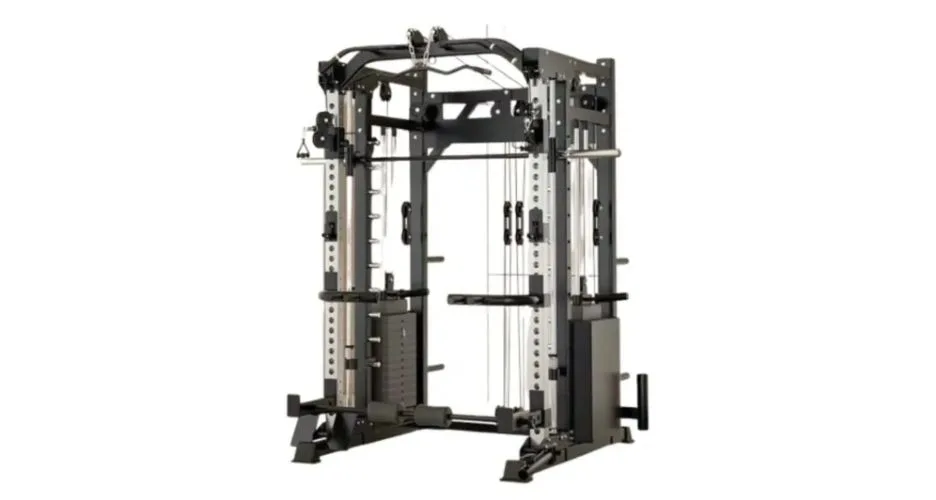
Having a home gym is a great way to stay active and healthy. Many people set up a space at home with things like a treadmill, exercise bike, free weights, a rowing machine setup or resistance bands. These items make it easy to work out at any time. But it is easy to forget that your gear also needs to be taken care of to keep it working well. If the gear is not maintained, it can wear out faster or stop working properly.
In this article, we will explain how to look after your home gym equipment and gym accessories so that it lasts longer, stay safe to use and clean.
Why Maintenance Matters
Maintaining your home gym equipment is important for safety, performance, and longevity. Here are some key reasons:
- Safety: Proper maintenance reduces the risk of accidents. Loose screws or worn cables can lead to injuries if not checked regularly.
- Longevity: Equipment lasts longer when cleaned, lubricated, and stored correctly. This saves money on replacements over time.
- Performance: Machines work better when well-maintained. Treadmills, rowing machines, and exercise bikes perform smoothly with regular upkeep.
- Hygiene: Sweat and dust can build up quickly. Cleaning gym accessories like mats, resistance bands, and handles prevents smells and bacteria.
- Cost-Effective: Small repairs or maintenance prevent bigger, more expensive problems later.
- Consistency: Well-kept equipment encourages regular workouts because it feels safe and reliable every time you use it.
Maintenance Checklist You Can Follow
Keeping gym equipment in top shape requires simple routines that anyone can follow. By setting aside a few minutes each day, week, and month, your home gym will remain safe, functional, and pleasant to use. Below is a detailed checklist for daily, weekly, and monthly care.
1. Daily Wipe Down
Clean your equipment after each use. Use a soft cloth or wipe to remove sweat, oils, and grime from handles, seats, pedals, and surfaces that come into frequent contact with your body. Sweat contains salts and moisture that can corrode metal, damage upholstery, and make machines slippery if left unchecked.
Focus especially on high-touch areas such as treadmill handrails, console buttons, gym accessories like mats, resistance bands, and even small handles on weight machines. Wiping down daily not only prevents corrosion but also keeps your space hygienic. Regular cleaning reduces the build-up of grime, prevents bad smells, and makes every workout feel fresher and more comfortable.
2. Inspect for Damage
Before starting each workout, take a few moments to check your equipment. Look for loose screws, worn bolts, cracks in plastics, fraying cables, or tears in upholstery. Even small issues can affect safety or performance if ignored.
If you notice any damage, do not use the equipment until it is repaired. Regular inspections prevent accidents and help identify problems early, saving money and time in the long run. This practice is especially important for high-impact equipment like rowing machines, boxing bags, and weight benches, where stability is critical.
3. Clean Electronics
Many machines, including treadmills, exercise bikes, and rowing machines, come with electronic consoles or digital displays. Dust, moisture, and sweat can interfere with the sensors and electronics over time, causing malfunctions.
Turn off the machine before wiping the screens, buttons, or panels with a soft, dry or slightly damp cloth. Avoid spraying water or cleaning solutions directly on electronics. Keeping screens and sensors clean ensures accurate tracking of your workouts and extends the life of the device.
4. Tighten Bolts and Screws
Weekly, take the time to inspect and tighten all screws, bolts, and nuts on your machines, weights bench, and other equipment like a boxing bag stand. Vibrations from regular use can loosen hardware without you noticing.
Loose hardware can make your equipment unstable and unsafe. Always use the correct tools and tighten gradually without over-torquing, which can strip threads or damage frames. This simple step ensures your gym equipment remains stable, safe, and reliable for every workout.
5. Lubricate Moving Parts
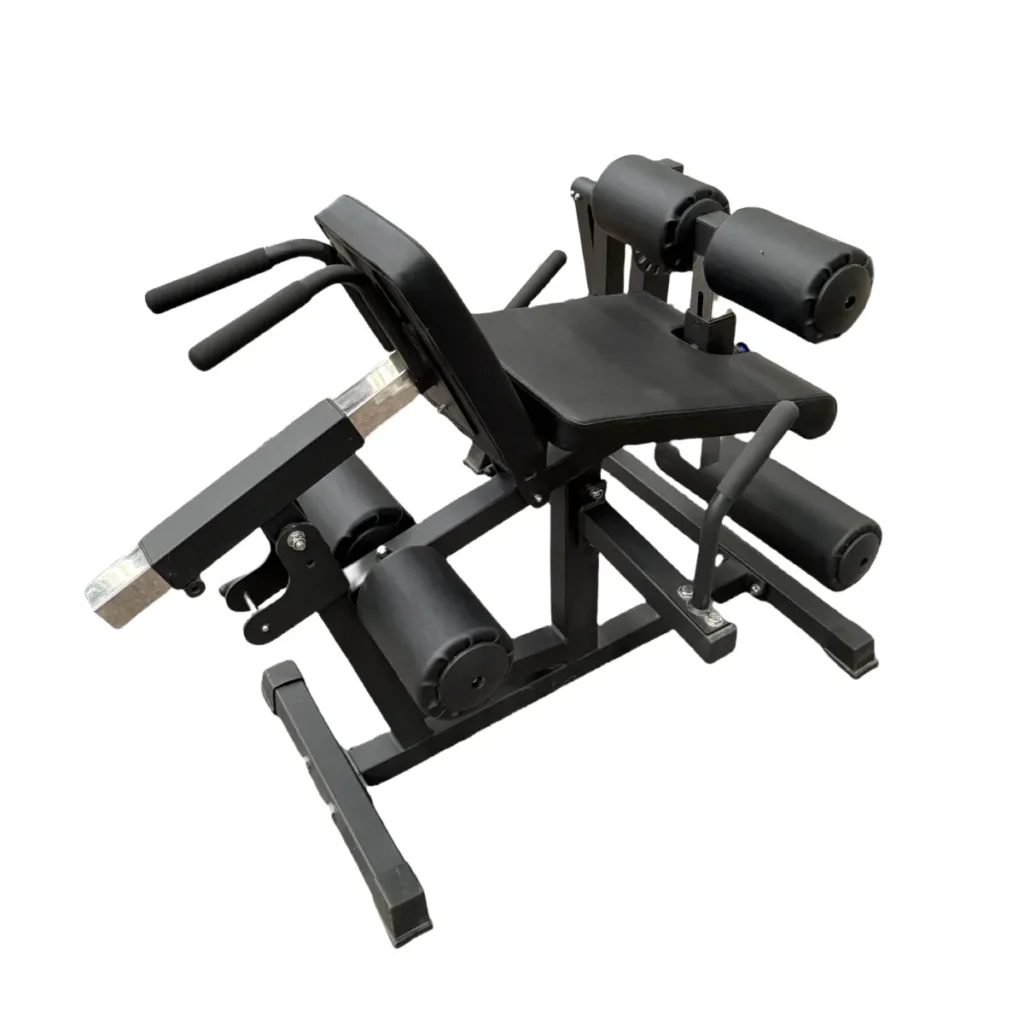
Machines with moving parts, such as treadmills, rowing machines, and exercise bikes, need periodic lubrication to reduce friction. Apply a light lubricant to chains, belts, rollers, and rails monthly or according to manufacturer instructions.
Lubrication allows moving parts to run smoothly, reduces noise, prevents wear, and extends the life of your machine. Machines without proper lubrication can become stiff, squeak, or even break, which may require costly repairs. Regular lubrication also makes workouts feel smoother and more comfortable.
6. Check Cables and Bands
Inspect cables, pulleys, and resistance bands for signs of fraying, cracking, or stretching. Over time, repeated use can weaken these parts, and damaged cables or bands can snap unexpectedly, creating a safety hazard.
Replacing worn cables or resistance bands promptly is essential. Take care to store resistance bands away from heat or sunlight to prevent them from losing elasticity. Regular checks protect you from accidents and ensure smooth operation during your workouts.
7. Clean Underneath Equipment
Dust, hair, and debris can collect under machines like treadmills, exercise bikes, and rowing machines. Over time, this buildup can interfere with motors, belts, and other moving parts, causing machines to overheat or wear faster.
Vacuum or sweep beneath and around all equipment at least weekly. Not only does this prevent mechanical problems, but it also keeps the gym area clean, reduces allergens, and creates a more pleasant workout environment.
8. Rotate and Replace Worn Parts
Every few months, examine critical parts such as treadmill belts, rowing machine chains, seat pads, grips, and wheels for signs of wear. Even gym accessories like yoga mats, resistance bands, and boxing bag covers can wear over time.
Rotating or replacing worn parts prevents complete breakdowns, ensures smooth operation, and maintains safety. This proactive approach can save money on expensive repairs and help preserve the resale value of your gym equipment. Keeping spare parts or knowing where to source replacements makes maintenance easier and more efficient.
Common Mistakes to Avoid
Maintenance is simple, but people often make these mistakes:
- Using Harsh Cleaners: Strong chemicals can damage surfaces and electronics. Mild soap and water are sufficient.
- Ignoring Manufacturer Guides: Manuals explain correct maintenance. Following instructions avoids mistakes.
- Neglecting Dust and Sweat: Leaving debris or sweat causes corrosion and machine malfunction.
- Overlooking Worn Parts: Small cracks, frays, or loose bolts should be addressed immediately.
- Skipping Regular Checks: Waiting for machines to break costs more in repairs and replacements.
Conclusion
Maintaining your home gym equipment does not have to be complicated. Simple daily, weekly, and monthly routines keep machines and gym accessories safe, reliable, and long-lasting.
At Lee Warehouse, we provide quality home gym solutions and expert advice to help you maintain your equipment. Contact us to explore our range of products, get replacement parts, or learn more about keeping your gym in top condition.
Frequently Asked Questions
How often should I clean my gym equipment?
Gym equipment should be wiped down after every use to remove sweat, oils, and grime that can cause corrosion or bad smells. A more thorough cleaning once a week helps remove dust, dirt, and bacteria from less visible areas, keeping machines safe and hygienic.
Can home gym equipment lose its accuracy over time?
Yes, machines with digital screens or resistance settings, like exercise bikes or rowing machines, can lose calibration if not checked regularly. Regular inspections, cleaning, and following manufacturer instructions help maintain accurate tracking and resistance levels.
What is the best way to store small gym accessories?
Store items like resistance bands, gloves, mats, and jump ropes in a dry, ventilated area, preferably in bins or hooks to prevent tangling or damage. Proper storage keeps accessories in good condition and makes workouts easier and safer.
Are secondhand machines worth buying?
Secondhand equipment can be a good option if inspected carefully for wear and tear. Check belts, cables, and structural integrity, and test moving parts to ensure they work smoothly before purchase.
How can regular maintenance save money in the long run?
Maintaining gym equipment prevents small issues from becoming major problems, reducing repair costs or the need for early replacement. Clean, lubricated, and well-checked gear lasts longer and performs better, saving both time and money over the years.