
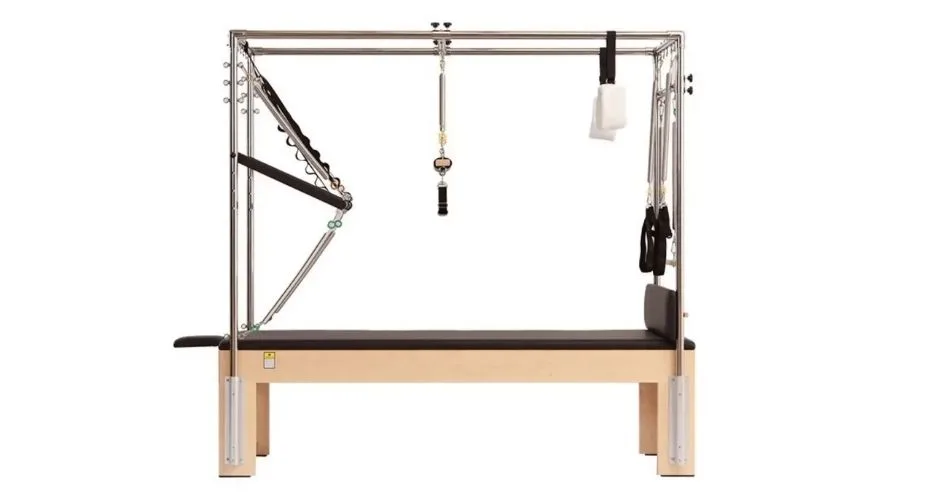
Have you ever wondered why so many people are turning to reformer Pilates instead of traditional gym workouts? This low-impact exercise method offers a full-body workout that strengthens muscles, improves flexibility, and supports better posture, all with the help of a unique machine called a reformer.
Unlike mat Pilates, reformer Pilates uses adjustable resistance, a sliding carriage, and straps to guide your movements. It can be gentle enough for beginners but challenging enough for experienced fitness enthusiasts.
In this article, we will explore what reformer Pilates is, its benefits, how it works, how it compares to mat Pilates, and who can benefit most from this versatile workout.
What Is Reformer Pilates?
Reformer Pilates is a system of exercises performed on a reformer machine. This machine consists of a sliding carriage, adjustable springs for resistance, and straps or ropes for hands and feet. The design allows the user to perform a variety of controlled movements that strengthen the core and improve flexibility.
Unlike mat Pilates, which uses only your body weight, the reformer provides resistance and support for a more versatile workout. It can accommodate different fitness levels and target specific muscles with precision.
Key Features of a Reformer Pilates Machine:
- Sliding Carriage: Moves along the frame to allow pushing and pulling exercises.
- Adjustable Springs: Provide variable resistance for different strength levels.
- Straps and Handles: For hands and feet to perform a wide range of movements.
- Footbar: Allows for pushing exercises similar to a leg press.
- Safety Stops: Prevent the carriage from moving too far, ensuring safe workouts.
Benefits of Reformer Pilates
Reformer Pilates offers many physical and mental benefits.
1. Improves Core Strength
It focuses on the deep abdominal muscles, back, and pelvic floor, helping to stabilise your body. Core strength supports better posture and reduces the risk of injury.
2. Increases Flexibility
The sliding and stretching movements enhance joint mobility and muscle length. Over time, participants notice greater flexibility in hamstrings, hips, and shoulders.
3. Enhances Posture
Reformer Pilates strengthens muscles that support the spine. Practising it regularly helps correct slouching and promotes upright posture throughout the day.
4. Supports Low-Impact Rehabilitation
Because the reformer provides support and controlled resistance, it is ideal for people recovering from injuries. It allows safe movement without placing strain on joints.
5. Builds Balanced Strength
Reformer exercises target all major muscle groups evenly. This balance helps reduce muscle imbalances often caused by regular gym routines or repetitive activities.
6. Reduces Stress
The controlled breathing, concentration, and slow, mindful movements help reduce tension and promote mental clarity, similar to the calming effects of yoga or using rubber mats for floor work.
How It Works
Reformer Pilates works by combining resistance, alignment, and controlled movement. Exercises involve pushing, pulling, and stretching against the resistance of springs. The machine guides movements so that muscles are engaged safely and effectively.
Exercises can be performed lying down, sitting, kneeling, standing, or by using gym accessories. Adjustable springs allow beginners to start with lighter resistance and progress to heavier resistance as they get stronger. Movements emphasise precision, breathing, and proper posture.
Key Principles:
Resistance Training
The springs on a reformer provide adjustable resistance for different muscle groups. Lighter springs are ideal for beginners, while heavier springs increase the challenge for stronger muscles. Resistance helps build strength gradually and safely. It also allows you to perform more complex movements without losing control.
Alignment
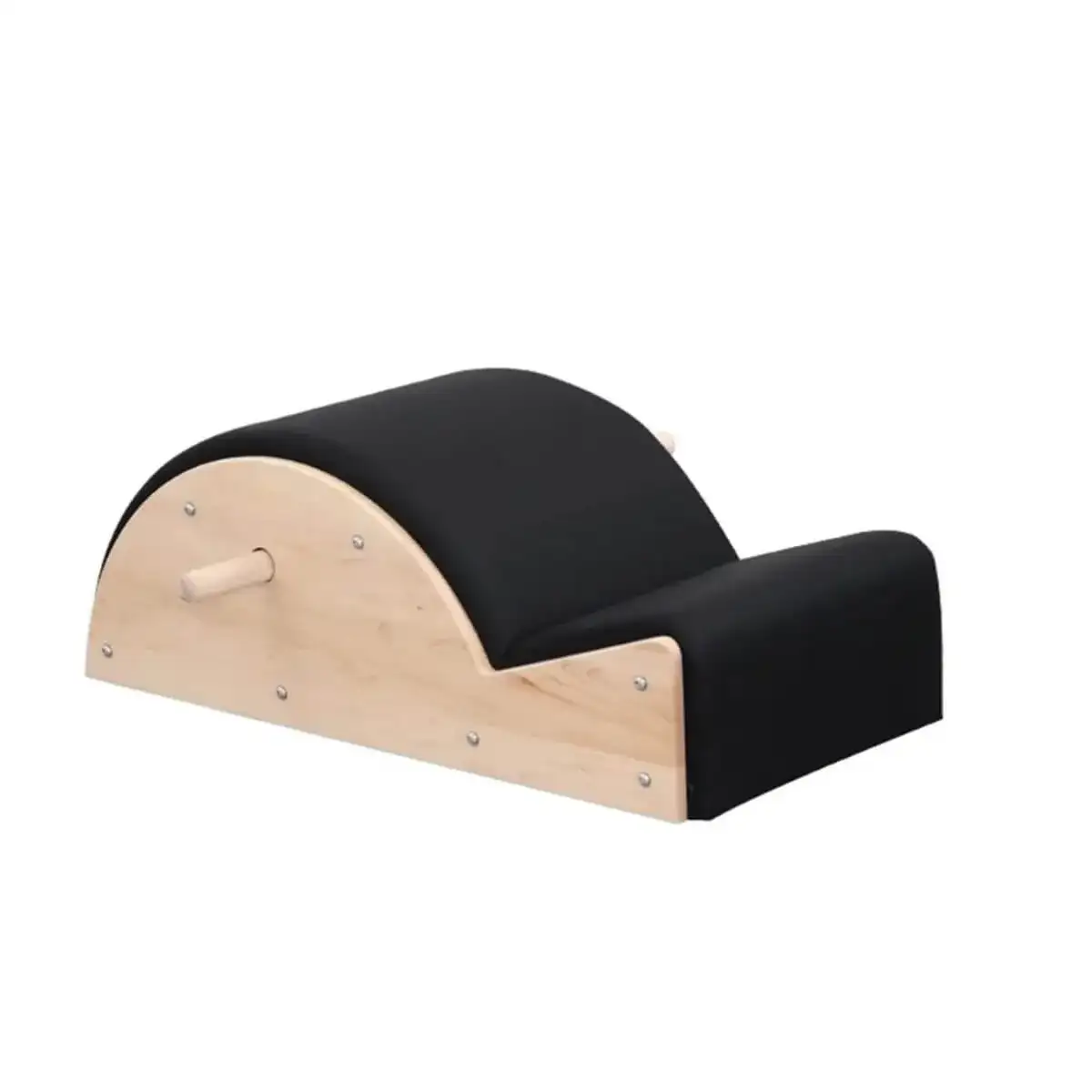
Correct body alignment is essential in reformer Pilates. Each exercise focuses on keeping the spine, shoulders, and hips properly positioned. This reduces the risk of injury and ensures that the intended muscles are being worked. Paying attention to alignment also helps improve posture over time.
Core Activation
Reformer Pilates consistently engages deep abdominal and back muscles. The core stabilises your body during all movements, whether pushing the carriage or pulling the straps. Strong core muscles support your spine, reduce back pain, and improve balance. Core activation is a key benefit that carries over to other forms of exercise.
Controlled Movements
Movements on the reformer are slow and deliberate. Controlled motion allows you to focus on form and muscle engagement. It also prevents momentum from taking over, which can lead to injury. Practising control helps improve coordination and body awareness.
Range of Motion
The sliding carriage allows for extended movements that increase flexibility. You can stretch further safely while maintaining resistance for strength. The adjustable springs help you manage the intensity of these stretches. Improved range of motion supports better joint health and overall mobility.
Reformer vs Mat Pilates
Reformer Pilates and mat Pilates share the same foundational principles but differ in equipment and intensity.
Mat Pilates uses only your body weight, a mat, and sometimes small accessories like resistance bands or weight plates. It is portable and convenient, but may not provide as much resistance or support for some exercises.
Reformer Pilates uses a machine to add resistance, stability, and versatility. The reformer allows more complex exercises targeting multiple muscle groups simultaneously. Movements can be performed lying, sitting, or standing with adjustable resistance levels, which is ideal for beginners and advanced users alike.
Key Differences:
- Equipment: Reformer uses a machine; mat Pilates uses a mat and optional accessories.
- Resistance: Reformer provides adjustable resistance; mat relies mostly on body weight.
- Exercise Variety: Reformer allows a wider range of exercises and angles.
- Support: The reformer provides more support for rehabilitation or injury recovery.
Who Should Do Reformer Pilates
Reformer Pilates is suitable for a wide range of people.
- Beginners: The guided machine and adjustable resistance make it easy to start safely.
- Athletes: Enhances core strength, flexibility, and balance to improve performance.
- Older Adults: Low-impact movements protect joints while building strength.
- People Recovering from Injury: Controlled resistance supports rehabilitation safely.
- Office Workers: Corrects posture and strengthens back and shoulder muscles.
- Pregnant Women: Modified exercises support core and pelvic floor health.
- Fitness Enthusiasts: Adds variety to routines using gym accessories, exercise bikes, and other equipment for full-body workouts.
Conclusion
Reformer Pilates is a versatile, low-impact exercise that strengthens the body, improves flexibility, and supports mental well-being. It is suitable for beginners, athletes, and anyone looking to enhance posture or recover from injury.
At Lee Warehouse, we offer a range of fitness equipment, including reformers, flat benches, resistance bands, and rubber mats to help you set up a safe and effective Pilates or gym routine. Contact us to explore our products and find the right equipment for your fitness goals.
Frequently Asked Questions
1. Is reformer Pilates suitable for beginners?
Yes. The adjustable springs and guided carriage allow beginners to start safely and progress gradually.
2. How often should I do reformer Pilates?
Two to three sessions per week are ideal for most people to see improvements in strength and flexibility.
3. Can reformer Pilates help with back pain?
Yes. It strengthens core muscles and improves posture, which can reduce back pain when practised correctly.
4. Do I need special clothing for reformer Pilates?
Comfortable, form-fitting clothes are best. Avoid loose clothing that can get caught in the machine.
5. Can I combine reformer Pilates with other exercises?
Yes. It complements activities like yoga, exercise bike workouts, or strength training with weight plates and gym accessories.