
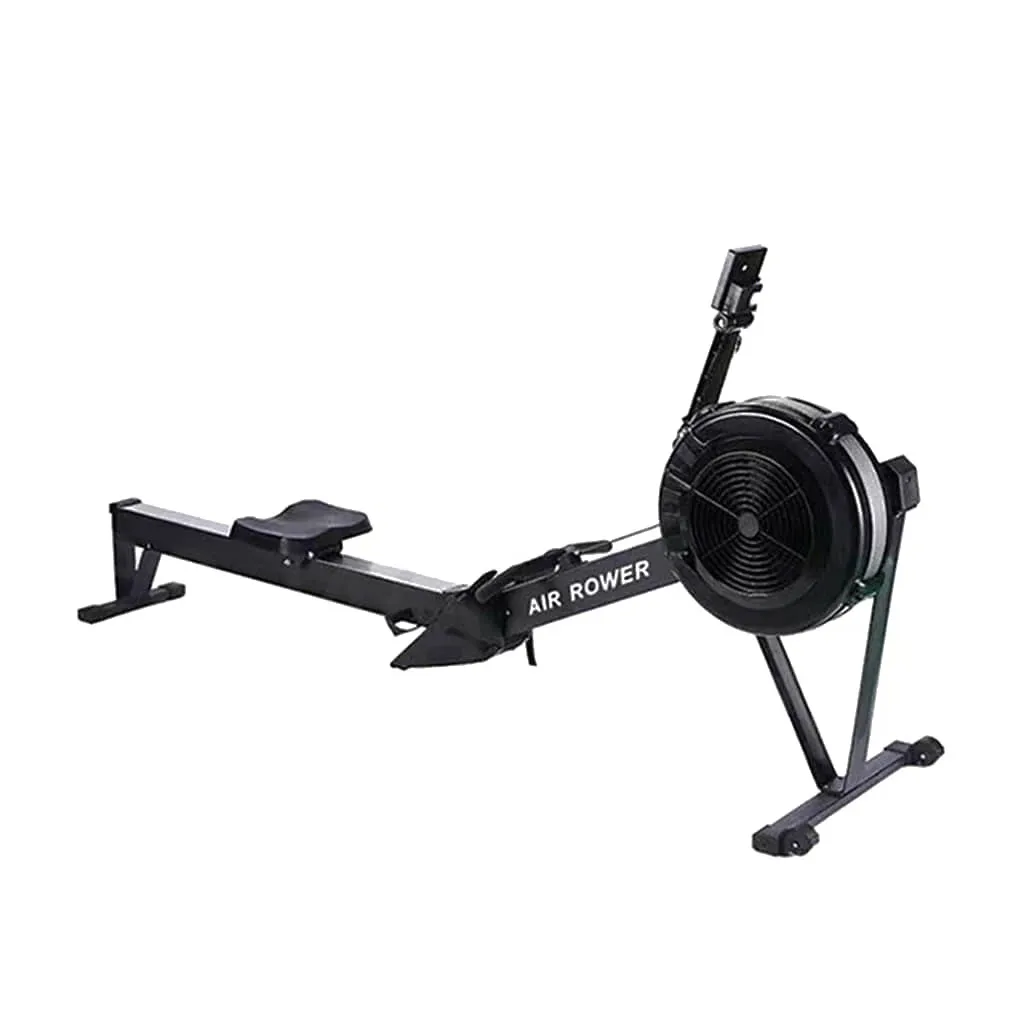
Have you ever seen a rowing machine at the gym and wondered if you are using it the right way? It looks simple, but many people use it incorrectly and miss out on its full benefits.
A rowing machine is one of the most effective tools for a full body workout when used properly. It trains your legs, back, arms, and core all in one movement.
In this blog, we will break down how to use it correctly, step by step, so you can get better results and avoid common mistakes.
What Is A Rowing Machine?
A rowing machine is a piece of gym equipment that simulates the motion of rowing a boat. It uses resistance to help you pull and push through a smooth movement that works your whole body.
It is commonly found in gyms as part of general gym equipment setups alongside machines like an exercise bike or other fitness equipment. It is popular because it gives both cardio and strength benefits in one workout.
A rowing machine usually has a seat, foot straps, a handle, and a resistance system. When used properly, it becomes a powerful tool for improving fitness and endurance.
Common features include:
- Sliding seat for movement
- Foot straps for stability
- Hand grip handle
- Digital display for tracking
Some people also combine rowing with other gym accessories, like gym gloves for better grip during workouts.
Benefits Of Using A Rowing Machine
Using a rowing machine regularly can improve your fitness in many ways. It is a low-impact exercise that still gives a strong full-body workout.
Full Body Activation
A rowing machine works multiple muscle groups at the same time. Your legs push, your core stabilises, and your arms pull during each stroke.
This makes it more efficient than many single-muscle exercises.
Improves Cardio Fitness
Rowing increases your heart rate and improves stamina. It is a great cardio workout without needing to run.
Many people use it as part of a warm-up before lifting training weights or doing strength workouts.
Low Impact On Joints
Unlike running or jumping, rowing is gentle on your joints. This makes it suitable for beginners or people recovering from injuries.
It allows consistent training without putting too much pressure on knees or ankles.
Burns Calories Efficiently
Rowing uses both upper and lower body muscles at the same time. This helps burn calories faster compared to isolated exercises.
It is often used in gyms as part of fat loss programs or conditioning routines.
Improves Posture
Rowing strengthens your back and core muscles. This can help improve posture over time, especially for people who sit for long hours.
Good posture also helps reduce strain during other workouts, like using a barbell or weight bench.
Builds Strength And Endurance
Regular rowing helps build both muscular strength and stamina. It is a balanced workout that improves overall fitness levels.
Some athletes even combine rowing with other equipment, like a Smith machine or weight rack, for full training routines.
How To Use A Rowing Machine Correctly
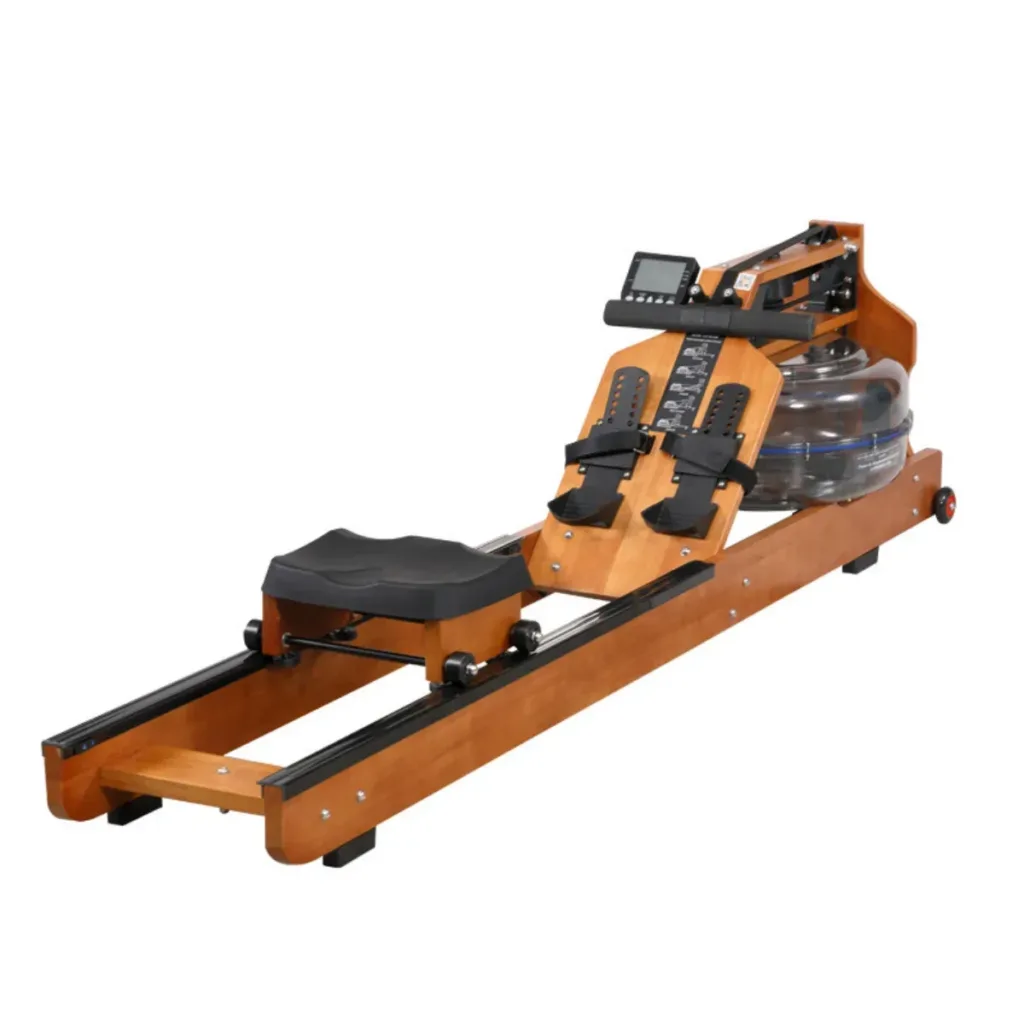
Using proper form is very important when using a rowing machine. Incorrect technique can reduce results and also increase the risk of strain on your back, shoulders, and knees. Many beginners focus on speed first, but good form should always come before intensity.
When you learn the correct movement early, your workouts become smoother and more effective. It also helps you build strength safely over time without putting unnecessary pressure on your body.
Set Up The Machine Properly
Before you start rowing, take a few minutes to set up the machine correctly. Adjust the foot straps so your feet feel secure and stable. Your heels should be firmly placed, and your toes should not feel squeezed or loose.
Sit on the seat and slide forward and back a few times to check comfort. Make sure the resistance level matches your fitness level. Beginners should start with lower resistance and increase it gradually as strength improves.
- Secure foot straps before starting
- Check seat movement for smooth sliding
- Start with low resistance if you are new
- Adjust resistance slowly as you improve
A proper setup helps you stay balanced during your workout and reduces the chance of losing form halfway through your session.
Understand The Correct Rowing Position
Good posture is one of the most important parts of rowing. Sit tall with your back straight and shoulders relaxed, not hunched forward. Your core should feel slightly engaged even before you start pulling.
At the starting position, your knees should be bent and your arms fully extended, holding the handle. This position is called the catch, and it sets the base for every stroke you take.
Keeping this position correct helps you avoid back strain and makes each movement more controlled and efficient.
Learn The Four Phases Of A Rowing Stroke
Rowing is not just one movement. It is made up of four clear phases that work together to create a smooth rhythm. These are the catch, drive, finish, and recovery.
Each phase plays a different role in how your body moves and how your muscles work during the workout.
Catch: Start position with knees bent and arms extended
Drive: Push through your legs and pull the handle toward you
Finish: Lean slightly back with the handle close to your body
Recovery: Extend arms and slide back slowly to the starting position
Taking time to understand each phase helps you avoid rushing and improves your overall technique. It also makes your workout feel more natural and controlled.
Focus On Leg Power First
A common mistake beginners make is pulling too early with their arms. In reality, most of the power in rowing comes from your legs. Your legs should do the first push before your upper body engages.
Start each stroke by driving through your legs, then lean slightly back and finish with your arms. This sequence creates a strong and smooth motion that uses your full body properly.
When done correctly, your arms should not feel overworked. Instead, your legs and core handle most of the effort, which improves endurance and reduces fatigue.
Keep Your Movements Controlled
Rowing should feel smooth, not rushed. Many people think faster movement means a better workout, but uncontrolled rowing can actually reduce efficiency. It can also make you tire out faster than expected.
Focus on maintaining a steady rhythm throughout your session. Each stroke should feel balanced, with equal effort on the drive and recovery.
- Avoid rushing through strokes
- Keep a steady pace throughout
- Match breathing with movement
- Focus on smooth transitions between phases
Controlled movement helps you build stamina and get better results over time without unnecessary strain.
Use Your Core Properly
Your core plays a big role in stabilising your body during rowing. It connects your upper and lower body, helping you maintain balance throughout each stroke.
Engage your stomach muscles slightly during every movement. This does not mean tensing too hard, but keeping your core active enough to support your back.
When your core is used properly, you reduce the risk of lower back discomfort and improve your overall posture during workouts.
Avoid Overgripping The Handle
Holding the handle too tightly is a common mistake that can lead to hand and forearm fatigue. Many beginners grip harder than needed because they feel it gives more control, but this is not true.
Keep your grip firm but relaxed. Your hands should guide the movement, not strain through it. This allows your arms to move more freely during each stroke.
Some users choose gym gloves to improve comfort, especially during longer sessions or high-intensity workouts. This can help reduce friction and improve grip stability.
Maintain A Steady Breathing Pattern
Breathing is often forgotten during rowing, but it plays a big role in performance. Poor breathing can make you feel tired faster and reduce your workout quality.
Try to match your breathing with your rowing rhythm. A simple guide is to exhale during the drive phase and inhale during recovery.
- Exhale when pulling the handle
- Inhale when sliding forward
- Keep breathing steadily throughout
- Avoid holding your breath during effort
A steady breathing pattern helps you stay relaxed, maintain energy, and complete longer workouts without feeling overwhelmed.
Tips For Using A Rowing Machine
Here are some simple tips to help you get better results from your rowing workouts.
- Start Slow and Build Up: Begin with short sessions and low resistance. Gradually increase intensity as your fitness improves.
- Check Your Form Often: Good technique is more important than speed. Take time to correct your posture regularly.
- Warm Up Before Starting: A light warm-up prepares your muscles and reduces injury risk during rowing.
- Stay Consistent: Regular workouts are more effective than occasional long sessions.
- Mix With Other Exercises: Combine rowing with other activities like dumbbells or bodyweight exercises for balanced fitness.
Conclusion
A rowing machine is one of the best tools for full-body fitness when used correctly. It combines cardio and strength training in a simple, low-impact movement that suits many fitness levels.
At Lee Warehouse, we support your fitness journey with quality equipment and practical training tools. We help you choose the right gear so you can train better and stay consistent. Contact our team to find the right fitness setup for your goals.
Frequently Asked Questions
Is A Rowing Machine Good For Beginners
Yes, a rowing machine is suitable for beginners because it is low-impact and easy to adjust. Starting with low resistance helps build confidence and proper form.
How Long Should I Use A Rowing Machine
Beginners can start with 10 to 15 minutes per session. As fitness improves, sessions can be extended to 20 to 30 minutes or more.
Does Rowing Help With Weight Loss
Yes, rowing burns calories and works multiple muscle groups at the same time. This makes it effective for fat loss when combined with a healthy routine.
Can I Use A Rowing Machine Every Day
It is possible to use a rowing machine daily, but rest days are important. Most people benefit from 2 to 4 sessions per week.
Is Rowing Better Than Running
Rowing and running both have benefits. Rowing is lower impact and works the upper body as well, while running focuses more on lower body endurance.